A small clinic for small injuries
Cuts closed carefully.
Nothing rushed.
We do one thing: clean, close and follow up minor wounds. Stitches, glue, steri-strips, dressing changes and small skin procedures — seen by the same clinician from first visit to stitch removal.
Please do not come to us for chest pain, breathing difficulty, heavy bleeding that will not stop, head injury with drowsiness, or any suspected fracture. Those need emergency care, not a minor injury room.

Scope of the clinic
What we treat, and what we send on
Being a small service means being honest about the edges of it. If your injury sits in the right-hand column we will tell you at the door rather than after an hour in the waiting room.
We handle this
- Clean cuts and lacerations needing closure within 12 hours
- Wounds that have been glued or strapped and are not healing neatly
- Dressing changes for surgical wounds and slow-healing skin
- Stitch and staple removal, including work done elsewhere
- Minor burns and scalds smaller than the palm of your hand
- Splinters, fish hooks and shallow foreign bodies
- Infected-looking wounds that need a second opinion the same day
- Removal of small skin lesions, skin tags and sebaceous cysts
We refer this on
- Any wound with suspected tendon, nerve or joint involvement
- Deep hand and facial injuries where scarring matters most
- Bites that have broken the skin and need urgent antibiotics
- Burns to the face, hands, feet or genitals, or any burn in a child
- Anything with numbness, weakness or loss of movement beyond it
- Wounds older than a day that should be left open to heal
- Injuries in children under five, who are better served elsewhere
Before you arrive
How a visit actually runs
Four stages, one room, one clinician. Most straightforward closures are finished and dressed inside forty-five minutes.
-
Assessment at the door
The wound is looked at before any paperwork. If it is outside our scope you are told immediately and pointed somewhere that can help.
About 5 minutes -
Cleaning and numbing
The area is irrigated and, where closure is needed, local anaesthetic is given. We wait properly for it to work rather than testing early.
10 to 15 minutes -
Closure
Sutures, tissue adhesive or adhesive strips, chosen for the site rather than for speed. You will be told which and why before we start.
10 to 25 minutes -
Dressing and follow-up
The wound is dressed, aftercare is written down for you, and a removal or review date is booked before you leave.
About 10 minutes
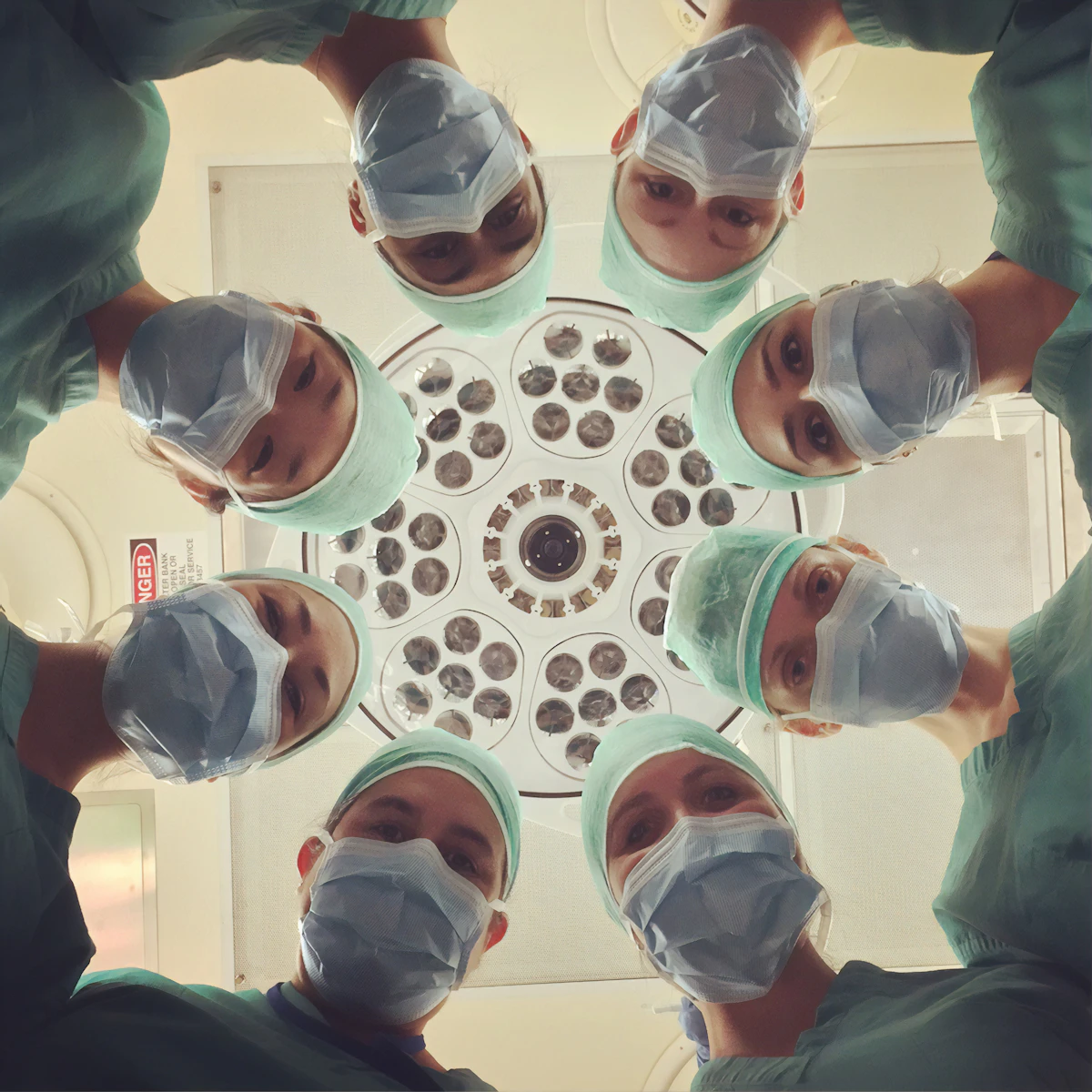
In detail
Procedures and how to prepare
Preparation matters more than people expect. A few minutes of reading beforehand usually makes the visit shorter.
- Suture closure
-
Fine absorbable or non-absorbable thread, sized to the site — finer on the face, heavier across a joint. We close in layers where the wound is deep enough to need it.
Prepare: eat something first, and bring a loose sleeve or trouser leg that can be rolled well clear of the wound.
- Tissue adhesive and strips
-
For clean, low-tension wounds, particularly on the scalp and in older children. No needle, no removal appointment, and a neater result than stitches on the right kind of cut.
Prepare: keep the area dry and uncovered on the way in — ointments and creams stop the adhesive bonding.
- Dressing changes
-
Scheduled changes for surgical wounds, skin tears and slow-healing areas, with the dressing type reviewed each visit rather than repeated by habit.
Prepare: bring the packaging or a photograph of the dressing currently in use if it was applied elsewhere.
- Stitch and staple removal
-
Quick, and usually more comfortable than expected. We check healing at the same time and re-strap the wound if it still needs support.
Prepare: bring your discharge note if the stitches were put in by another service, so we know what was used.
- Minor skin procedures
-
Removal of skin tags, small cysts and benign lesions under local anaesthetic, with tissue sent for examination whenever there is any question about it.
Prepare: these are booked in advance, not walk-in. Allow an hour and arrange not to drive straight to a long journey.
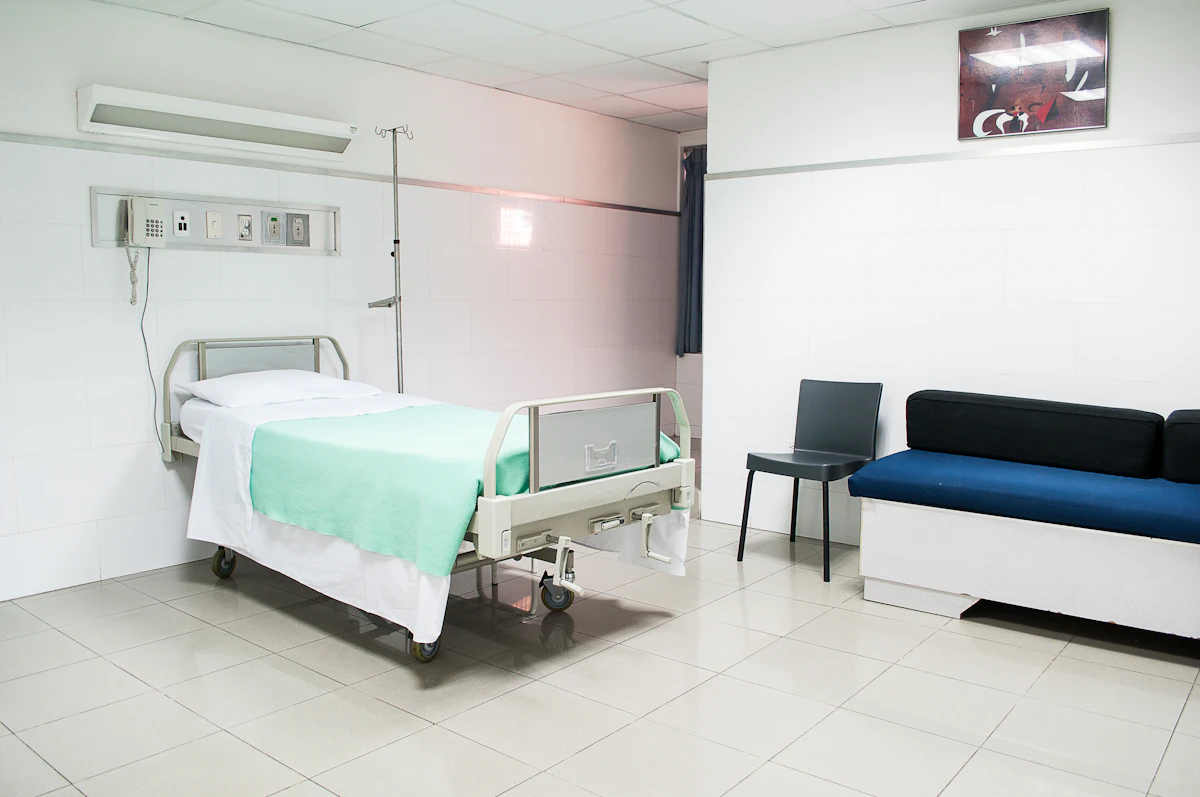
Who you will see
One clinician, start to finish
The person who closes your wound is the person who takes the stitches out. There is no handover, no repeating the story, and no second opinion needed on what the wound looked like on day one.
We keep the list short on purpose. It means the room is quiet, the timings hold, and there is space to answer questions properly instead of at the door.
Common questions
Things people ask us
The six we are asked most often, answered the way we would answer them in the room.
How quickly does a cut need stitching?
Generally within twelve hours, and sooner on the face. After that the wound edges have usually changed enough that closing it can trap infection, so we would clean it, dress it and let it heal open instead. If your cut happened yesterday, still come — the answer is simply more likely to be a dressing than a stitch.
Will it hurt?
The anaesthetic stings for a few seconds going in; after that you should feel pressure and movement but not sharpness. Tell us if you feel anything sharp and we will stop and add more. We would rather wait an extra five minutes than have you sit through it.
Can I get the dressing wet?
Keep it fully dry for the first forty-eight hours. After that, short showers are usually fine if you pat the area dry immediately and do not soak it — no baths, swimming or washing up without gloves until the stitches are out. Your written aftercare note will say if your wound is an exception.
Do you see children?
We see children of five and over for straightforward cuts and for stitch removal. Under five, and for anything on the face or involving a burn, a paediatric service will do a better job than we can and we will say so at the door rather than attempt it.
Can you remove stitches that were put in somewhere else?
Yes, and it is one of the most common reasons people book with us. Bring the discharge note or a photograph of it if you have one, so we know what material was used and when it was placed. If the wound is not ready, we will re-dress it and bring you back rather than pull early.
What should I bring with me?
A list of your medicines, anything you are allergic to, the date of your last tetanus injection if you know it, and any paperwork from a previous service. If you take blood thinners, tell us at the door — it changes how we close and how long we hold pressure afterwards.
Booking
Request a visit
Send the details and the front desk will come back with a time. For a fresh cut, come to the walk-in window rather than waiting for a reply — timing matters more than paperwork.